Planting Tips

 Bamboo Plants
 Berry Bushes
 Flower Bulbs
 Flowering Trees
 Fruit Trees
 Grape Vines
 Nut Trees
 Palm Trees
 Shade Trees
 Shrubs & Hedges
 Wildlife Plants
Planting InstructionsPlanting Instructions from the TyTy NurseryListed herein are instructions on how to plant and grow the various types of plants that the TyTy Nursery sells. You can use these instructions as a guide for planting, but if you have any questions, you can still call the TyTy Nursery and speak to our plant specialists. How To Plant(click on topic below)
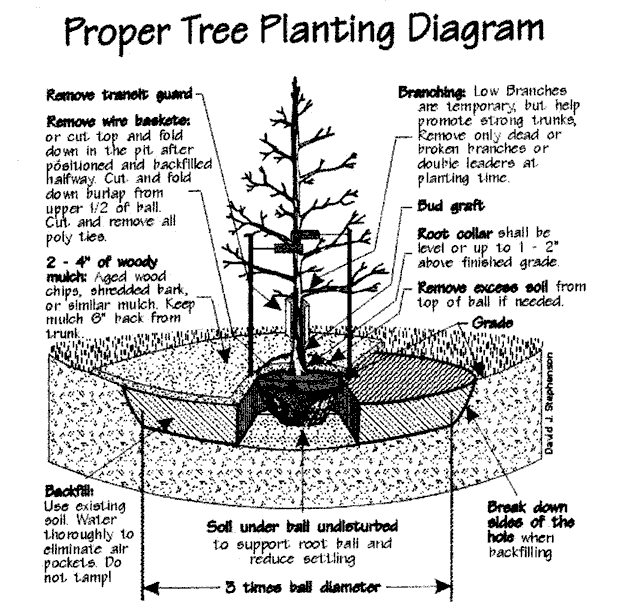
Planting InstructionsFlowering Trees: Flowering Cherry, Flowering Dogwood, Flowering Oleander, Flowering Apricot, Flowering WisteriaFlowering trees such as magnolias and silverbells are best planted or transplanted in spring; shade trees, in spring or fall. If you cannot transplant immediately (within the next few hours), make sure the root ball is covered with an old blanket or similar cover and watered thoroughly. The roots must never be allowed to burn in the sun. During their first year of growth, newly planted trees need to be watered more regularly than established plants. Water thoroughly, soaking the ground entirely, then let the soil nearly dry before watering again. Palm Trees: Windmill Palm, Saw Palmetto Palm, Canary Island Date Palm, Bamboo Palm, Pygmy Date PalmSeveral factors should be considered before selecting the planting site for a palm. If you have a specific type of palm in mind, be sure to consider how the plant will fit in the landscape in 10-15 years, when it reaches its full maturity. Consideration should be made of the type of soil the palms will be planted in. Is it alkaline sand, coral rock, clay, marl, or another soil-type? By knowing the soil-type, it is often possible to predict certain nutrient deficiencies and correct them before you have a problem. It is much more important that you apply a heavy mulch around the trunk, using wood chips, cypress bark, lawn clippings, etc. This enriches the soil while also reducing the weed competition and reducing water consumption. Watering for the first several months is critical. Never allow the soil to dry out completely. It is also important not to over water. Over watering not only encourages root diseases, but it also discourages the establishment of new roots in the surrounding soil. Fruit Trees: Apple, Cherry, Citrus, Japanese Persimmon, PeachAn important consideration when choosing where to plant a fruit tree is soil drainage. Fruit trees will not thrive in soil that drains too slowly. You can test for drainage by digging a hole about l foot (30cm) deep and filling it with water. The hole should drain within 3 hours. Dig a hole about 18" and, with a pitchfork, fork the bottom and sides to loosen soil. Sprinkle some compost in the bottom of the hole, leave a mound of soil in the bottom. Carefully set the set the tree inside the hole and spread the roots in all directions. Gently fill the hole with your foot and check that the tree is vertical. Mulch around the base of the tree with some grass clippings and be sure to keep the graft line clear of mulch so it remains above ground. Fence in if necessary to protect from deer who will eat the bark of young trees if given the chance. Nut Trees: Almond, Chestnut, Walnut, Hickory, ChinquapinStore nut tree saplings in cool areas away from the sun and the wind. Just before planting, soak the roots for a few minutes in a mixture of water and transplant solution. Dig a hole that is just large enough to hold a sapling’s root system without crowding it. Place a little loose soil and a handful of bone meal in the bottom of the hole. Hold the sapling over the center of the hole with its root collar just below ground level. Add soil until the hole is two-thirds full. At the same time, gently spread the roots and place soil around them. Pour a pail of water into the hole. Then add the remaining soil. Gently tap the soil with your foot. Some of the more popular nut trees require special care and needs so be mindful of those when planting your nut trees. Pecan TreesBare root trees planted early in the planting season (From December to April) will be established sooner and will develop new roots faster than planting balled trees in the spring. Trees need to be stored properly if they are not going to be planted immediately. Roots should be kept out of the sun and wind. Trees should be stored under shade with the roots completely covered terrasorb or any other absorbent material. Dig a hole at least 24 inches wide and 2.5 to 3 feet deep for most size trees. Large trees will require larger holes, primarily deeper ones, as pecan trees have tap roots. Plant the tree at the same depth it was at the nursery, and make sure to not cover the graft (the knot near the bottom of the tree). Fill the hole about one-third full of soil and water very heavily to settle soil, repeat this until the hole is almost full. Then, construct a basin around the tree a little wider than the hole, 6 to 12 inches deep. You do not need to prune any pecan trees you receive from Ty Ty Nursery, as our trees are pruned by 1/3rd before shipping. To prevent root-burn, do not fertilize the tree for the first year after planting. Shade Trees: Bamboo, Magnolia, Maple, Oak, PineEarly Spring is an excellent time to plant trees for Summer shade or for that ornamental look. Bare-root trees of many deciduous species become available in January. These trees usually have an excellent value. By following basic horticultural practices, most trees will survive. Keeping the roots alive is key when planting, and it is important to remember that the small roots are very fragile. The best time to plant is on a cool, overcast day. When digging, make sure the hole is large enough for the root system. Unless the roots are very long, it is better to dig a bigger hole than to prune the roots. However, broken or damaged roots should be removed immediately. When setting the final grade, remember the tree should be about the same height it was growing at the nursery. Water should drain away from the trunk whether or not a basin is formed because wet trunks encourage root rot in our climate. The best technique for settling soil after planting is to push a hose down into the planting hole and turn on the water, which will settle soil without the need for tamping. Pruning of newly planted bare-root trees should generally be avoided, and heading cuts to the leader should be particularly discouraged. A dominant central leader is the key to establishing good structure in most shade tree species. Berry Plants: Blackberry, Blueberry, Mulberry, RaspberryWhen establishing a new planting, it is very important to cut the top back on the bare-root transplants if this has not already been done at the nursery. All the new growth that will arise from the transplant will come from primary buds just below the soil surface. If you examine the crown of the plant, you will see 2-5 small buds or shoots just above the roots at the base of the crown. All the top growth above the primary buds is the cane that grew in the Nursery row the previous summer and is now two years old and programmed to flower and fruit. If you leave this 2 year old top growth intact, it will start blooming and try to fruit at the expense of the new cane growth that you are trying to encourage from the primary buds. Without a properly established root system, the newly transplanted berry may dry out in an attempt to ripen fruit on the excess cane. Fertilizer and irrigation should be avoided until the primary buds force and new canes begin to grow. Trailing Blackberries respond extremely well to balanced organic fertilizers applied at blossom time. Good soil moisture should be maintained by irrigation for the first year after planting and fruit production will increase if irrigation is continued until the fall rains in following years. Black Raspberries prefer a naturally fertile soil with high organic matter. Apply a well balanced organic fertilizer in early Spring. Plants should be watered moderately during the growing season. Raspberries benefit from high organic matter soils. Organic mater provides drainage in heavy soils and increases the moisture-holding capacity of sandy soils. Work compost into the soil prior to planting and supplement with a well balanced organic fertilizer if necessary. Grape Vines: Bunch Grape, Muscadine Grape, Seedless Grape, Wine GrapeThe key is to spend some time on soil preparation before planting. The soil should be dug as far down as you can get incorporation lots of well rotted farm yard manure, its important that it should be well rotted because fresh manure will burn the vines roots. Another good source of organic matter is lead compost created from oak, ash and lime trees; beech leaves are best avoided, as they tend to be a little too acid for vines. Natural and well before the Romans took an interest in vines they grow naturally in woods and forests. Climbing trees in search of sunlight to ripen the fruit they produce, this is why the requirement for lots of organic matter in the soil to recreate the leaf litter found naturally on a forest floor is key to growing grapes successfully. Most vines are supplied in pots. The same planting rules apply to vines as well as other pot grown plant, but with vines it is important that you: Make sure the root ball is not to root bound or has been grown in a small pot for to long so that the roots have started to spiral in the base of the pot. Also, the planting depth should be just below the original compost surface in the pot so the root ball is just covered with soil. Ideally, the vine should be planted so that the roots are always kept cool and the head should be grown into the sun or towards a sunny spot on a wall or trellis etc. To keep the roots cool you can place large stones or rocks around the base to help shield the soil from direct sunlight. Flowering Bulbs: Agapanthus, Canna Lily, Crinum Lily, Day Lily, Oxblood LilyPlanting flower bulbs is a rewarding task. There are few plants out there that will reward you the way bulbs will. Planting a flower bulb is easy, whether you are planting a Daffodil or a Crocosmia. There are 2 rules when planting Flowering Bulbs. The first is that the pointy end always goes up. It doesn't matter what kind of bulb you are planting, it has a pointy end. This is where the leaves of the plant will come up. While it is true that you can plant the pointy end down and the bulb will still grow, if you do this, you are unnecessarily stressing the plant. At best, this will result in a poor show of flowers. At worst, the extra effort will kill the plant. The second rule is to plant the bulb 2 - 2 1/2 times deeper than the size of the bulb. So if your bulb is a small 1 inch bulb, you would plant the bulb 2 to 2 1/2 inches deep. If your bulb is a larger 3 inch bulb, you will want to plant the bulb 6 to 7 1/2 inches deep. If you follow these two basic rules, you are guaranteed a show of flowers in the Spring. Landscape Shrubs: Azalea, Camelia japonica, Crape Myrtle, Deciduous, Flowering EvergreenThe selection of any plant for a landscape should be based on the functional role the plant will play in the overall landscape. Aspects such as a plant’s mature size, canopy form, environmental requirements, and root growth pattern are all important. These are bare-root plants which are usually the least expensive nursery plants. When planting a landscape plant in well-drained soil, dig the hole at least 1 foot wider than either the root spread, soil ball, or container size of the plant to be planted. The finished hole should have a firm, flat bottom or one which matches the shape of the bare root system. Hole depth should be approximately the same depth as the depth of the root system. Do not plant any landscape plant deeper in its new location than it grew at its previous location. If the hole is dug too deep, adjust by backfilling, but make certain to adequately firm the backfill to prevent the plant from settling. Soil for backfilling should be the same soil that came out of the hole; it is best to mix topsoil and subsoil together. A sheet of plastic or canvas placed adjacent to the hole makes a convenient location for mixing, and it facilitates clean up afterwards. On exceedingly well-drained or light soils, amend the original soil by thoroughly mixing one part of a good grade sphagnum peat moss with two parts soil. Such soil amending is only of marginal value for plants with extensive root systems such as large trees; however, it may be beneficial for shrubs and small trees. To avoid root burn, do not add dry fertilizers or fresh manure to the backfill mix. Do not amend backfill soil on a heavy soil site. Perennial Plants: Agave Desert, Aloe Desert, Angel Trumpet, Ivy Vine, YuccaA perennial plant normally lives at least three years under local growing conditions, but many live even longer. Those perennials whose stems die to the ground each winter are known as herbaceous perennials. Those perennials whose stems live from season to season and continue to grow in size each year are known as woody perennials. Early spring is the best time to set new perennials from the plants. However, divisions of established plants can be made at the proper time in the fall. Plant as early as possible so that newly set plants develop good root growth before freezing weather occurs. Most perennials require a steady supply of water for good growth, especially during the first growing season. Many perennials tend to produce a large number of shallow roots, so supplemental watering is a must when rainfall is not reliable. A single, gentle soaking to provide one inch of water each week is preferred to frequent shallow watering. To keep perennials looking their best, remove faded mature flowers, commonly referred to as "deadheading". Removing spent blooms will also encourage reblooming in some species. When the leaves of the perennials die in the fall, cut the stalk back to 3 or 4 inches, and compost the old stems and leaves. In some species, such as ornamental grasses, the brown, dead stems provide winter color and texture, as well as cover for wildlife. Cut back these plants in late winter or early spring before new growth begins. General Planting Diagram |